In this story
As rural New Zealanders consider better internet, Starlink is seen as a fast and simple option, but other technologies like fixed wireless and copper are also viable depending on the property.
What the Options Are, and Why Availability Matters
Moving to a rural property in New Zealand brings a range of internet options, all with different strengths and weaknesses. The four most common choices are fixed wireless access, local Wireless Internet Service Providers, fibre or copper VDSL or ADSL, and any available mobile wireless networks. And they all matter: one property might have good VDSL, strong fixed wireless, patchy mobile coverage, and no clear sky view for Starlink, but a neighbour 100 metres away is in a black hole for all options bar the satellite service. Availability is driven by where the property lines fall, the local terrain and tree cover, and the head of line for VDSL, so a check of all four should be done on an exact address.
Starlink: Cost, Speed, and Latency
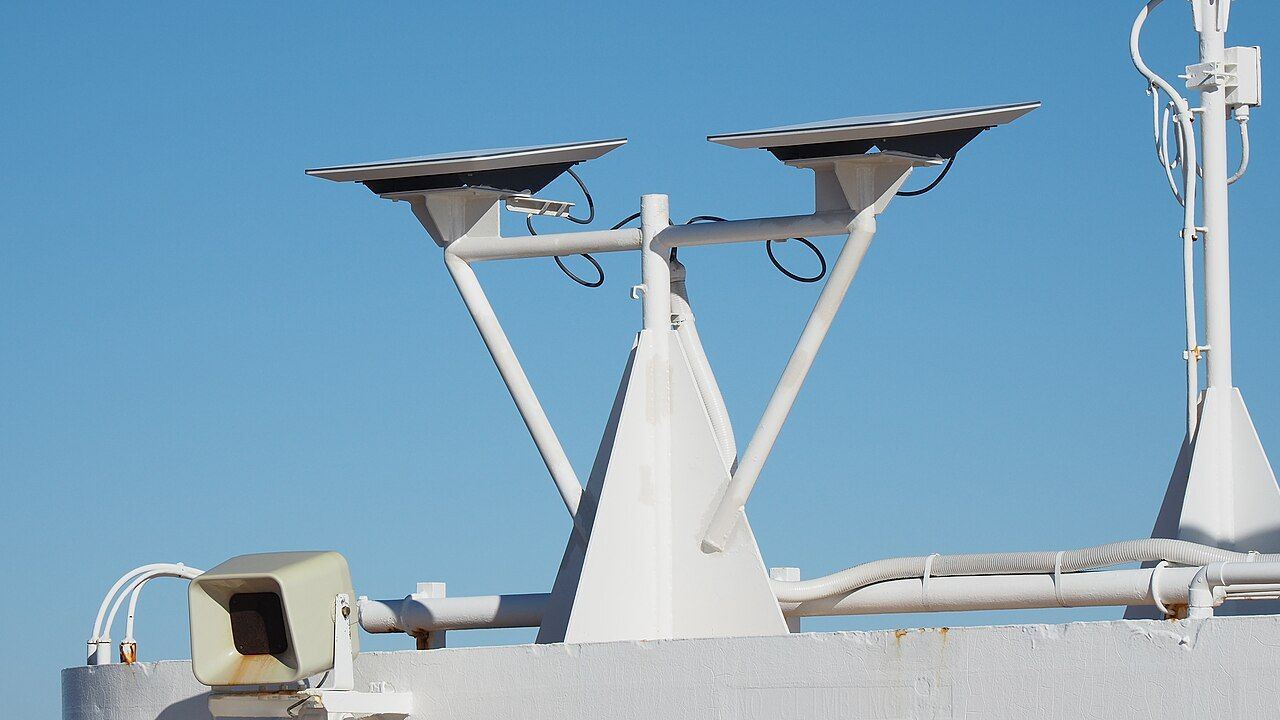
Starlink is a satellite internet service run by SpaceX, using low-earth-orbit satellites that are much closer than older geostationary satellite services. Residential plans have been listed at around NZ$159 a month, with the hardware kit costing several hundred dollars; prices change often, so check Starlink's New Zealand order page for the current figures. The company doesn't promise a speed, but 245 Mbps download and 26 ms latency were recorded in one independent test. The company's own position states latency of 25 to 60 ms, which would be a big improvement on legacy satellite but slower than wired or fixed wireless.
Extra costs can apply when the dish needs a clear view that the roof cannot give: a pole or mast, longer cabling or a professional installer all add to the bill.
Weather, Sky View, and Installation Reality
Starlink's low-earth orbit and phased-array antennae were developed to minimise issues seen in legacy geostationary satellite internet, but its performance is still affected by weather and sky view. Typical latency is 20 to 40 milliseconds, which is more competitive with land-based options than older satellite internet, but Starlink makes it clear that the service is best in location with a clear sky view, such as free of heavy cloud cover and with no tall trees or buildings blocking its view of the sky. It also lists a number of other possible issues, including incompatible roofing, soil unsuitable for mounting a mast, and no place to mount a dish. Causes of additional hardware being required, such as a mast, may include soil unsuitable for mounting a mast, soil unsuitable for burying cable, or the lack of an accessible power point in the area of the dish.
Rural Terrestrial Alternatives: RBI Fixed Wireless, WISPs, Copper, and Mobile Wireless
Rural customers used to be left between DSL and dialup, but now the four most common choices are:
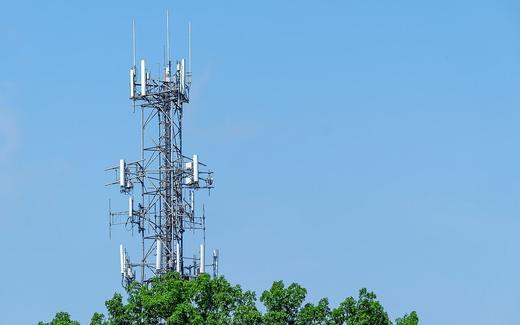
- RBI fixed wireless was built under the government's Rural Broadband Initiative, launched in 2009 to bring broadband to rural communities. Speeds vary with distance from the tower and how busy it is, and in many places it outperforms rural copper.
- WISPs (wireless internet service providers) are small local companies that build and run their own radio towers, often for a single district or farming community. They work best with a clear line of sight to the tower, and quality varies from one operator to the next, so ask neighbours what speeds they actually get.
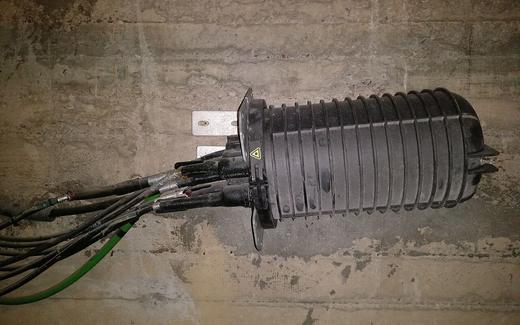
- Copper VDSL or ADSL is still available at many rural addresses. Speeds fall away with the length of the copper line, so a property far from the cabinet may get only a fraction of what urban VDSL delivers.
- Mobile 4G and 5G can be used for home internet with a modem or an external antenna. The Commerce Commission's 2023 monitoring report found that around 10% of rural people used mobile broadband as their main connection. Results depend heavily on signal strength at the house, so a roof or mast antenna often makes a large difference.
Speed can be impacted by various factors, including weather, the number of nearby users, and the hardware. Performance may also vary at peak times.
How the Decision Should Be Made at a Property
With this many options, work through them in order. First check whether copper VDSL or ADSL is available at the address. If not, check fixed wireless: rural broadband checkers list RBI coverage and many local WISPs. If fixed wireless is not available, check 4G and 5G coverage with each mobile provider, remembering that coverage maps are estimates. Finally, check whether the property suits Starlink: a site in a gully or surrounded by tall trees may not have the clear sky view the dish needs. Starlink's own availability map shows whether service can be ordered at the address.
Bottom Line for a Rural Property
For most purchases, this decision will boil down to speed, reliability, and price. Each of the four options outlined in this article can be the right choice, depending on location. A careful read of the current competitive options at the postcode, conversation with local providers, plus a realistic evaluation of the ground and any obstructions, is best.
Starlink is often the fastest option on a remote property, but it is rarely the cheapest once the hardware is counted. Where a good local wireless service or VDSL reaches the house, it may be the better value, with Starlink as the fallback where nothing else reaches.